Cantonese Steamed Buns vs. Pastries: A Buyer's Comparison Guide for Breakfast Menus
Cantonese steamed buns and Cantonese pastries are not interchangeable on a breakfast menu. Buns carry the volume work: they satisfy hunger, sell without explanation and repeat daily. Pastries carry the differentiation work: they make a breakfast menu read like a dim sum programme rather than a bread counter. For most buyers the workable answer is a two-tier menu — buns as the anchor, pastries as the signature — sized to the daypart, the kitchen and the cold chain.
Answer in brief
- If volume and repeat purchase matter most: lead with Cantonese steamed buns. They suit staple positioning, carry a 12-month frozen shelf life and appeal to a broad customer base.
- If menu differentiation matters most: add Cantonese steamed cakes and pastries such as Water Chestnut Cake, Coconut Golden Cake and Green Tea Buddha Cake. Steamed and layered cakes carry a 6-month frozen shelf life, so stock turns faster.
- If both matter: run the combination — steamed buns for stable basic sales, then a small batch of steamed pastries to test market response — and hold the full range at ≤ -18°C.
The Breakfast Menu Problem: Volume, Labour and Inventory Risk
Breakfast is the least forgiving daypart in food service. The service window is short, the labour roster is thin, and demand is difficult to forecast because it moves with weather, commute patterns and shift schedules. A menu that depends on skilled on-site preparation before 6 a.m. is a menu that eventually breaks on a busy morning.
Frozen Cantonese dim sum removes most of that preparation risk. Standard semi-finished frozen dim sum is designed for quick reheating and fast serving, which cuts on-site production labour and kitchen energy consumption. Portion size and texture stay consistent, which avoids the variation that comes from hand-made production in a small kitchen. Storage is simple as long as the cold chain holds: frozen buns should be kept at ≤ -18°C throughout the entire process to preserve freshness and prevent drying and cracking.
Once a buyer accepts frozen supply, a second decision appears — which product families to build the breakfast menu around. This is where buns and pastries diverge, and where most sourcing mistakes happen.
Steamed buns and pastries fail in different ways. A bun-heavy menu is safe but forgettable; with nothing on the tray to differentiate it, it competes on price. A pastry-heavy menu is distinctive but slow-moving: pastries carry a shorter frozen shelf life and depend on customers willing to try something unfamiliar early in the morning. Buyers who treat the two families as substitutes usually end up choosing between volume and margin, instead of combining them.
There is also a labelling dimension. Guangzhou introduced new regulations effective 1 May 2026 requiring restaurants to clearly label whether dim sum is handmade on site or produced by a central kitchen or pre-made supply (reported by Tridge, citing Guangzhou local government). The rule is local, but the expectation behind it is not: breakfast operators in many markets are now asked to state, or at least know, the production origin of every item on the menu.
Industry Background: What a Breakfast Buyer Is Actually Choosing Between
Two data points frame the category. Data Insights Reports / Research Insights values the global frozen Cantonese-style dim sum market at USD 7.04 billion in 2025 and projects USD 11.99 billion by 2033. On the production side, Business Research Insights places China at 46% of global frozen dumpling production volume in 2025, ahead of Japan at 11% and South Korea at 9%. In practice, buyers comparing Cantonese dim sum suppliers are comparing Chinese production capacity.
Trade mechanics matter once a decision reaches execution. Frozen dim sum is commonly exported under HS Code 1902200000 (stuffed pasta) and 1902309000 (other pasta), so a breakfast-menu choice quickly becomes a documentation, labelling and cold-chain decision rather than a purely culinary one.
The origin of the products matters too. Shunde, in Foshan, Guangdong, is recognised by UNESCO as a City of Gastronomy, and it is the base for a number of Cantonese dim sum producers. Foshan Shunde Yuexiang Food Manufacturing Co.,Ltd. is one of them: a Cantonese dim sum manufacturer founded in 1981, producing traditional dim sum, frozen dim sum and Chinese dim sum under the 'Da Xiao' brand. That heritage is not a marketing detail — it sets the reference point for flavour, texture and the pastry techniques a breakfast buyer is trying to recreate through a freezer.
The Practical Solution: A Two-Tier Breakfast Menu
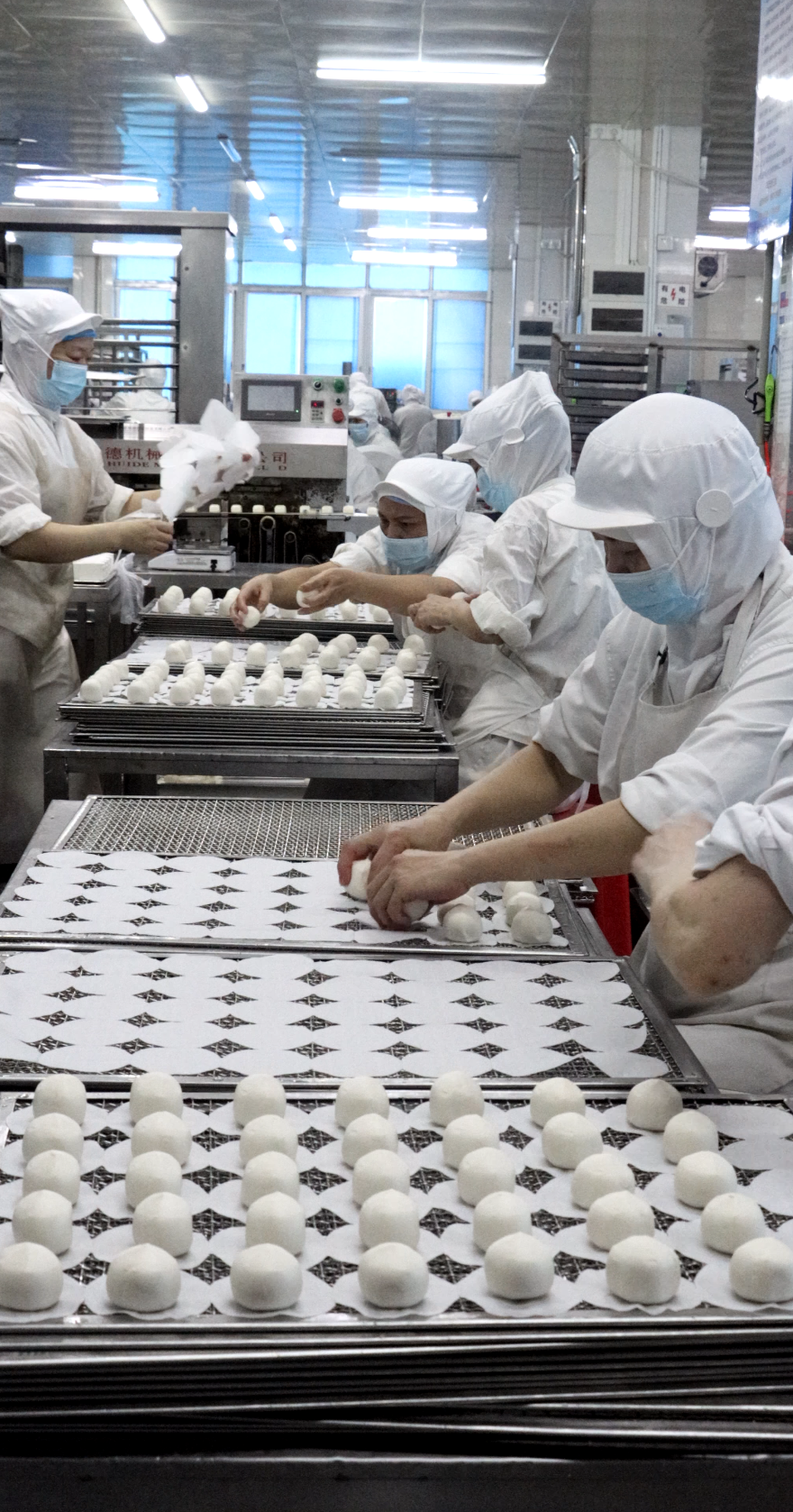
Yuexiang Food produces more than 300 items across five major series, operates a 20,000 m² facility with 200+ employees, a 30+ engineer R&D team and an annual output of 6,000,000 units. For a breakfast buyer, the useful way to read that catalogue is not by product name but by menu tier — what each family does for the customer, the kitchen and the stockroom.
Tier 1 — Anchor tier: Cantonese steamed buns
Steamed buns are the staple layer. They satisfy hunger, need no explanation at the counter, and are the items customers reorder without thinking. Within the range, char siu bao and Steamed Custard Buns are the fillings that act as a selling point and pull customers in; Walnut Bun, red bean paste bun and Milk Rolls round out the sweet side of the tray.
Operationally, the anchor tier is forgiving. Steamed buns carry a 12-month frozen shelf life, which allows flexible stocking cycles and lowers near-expiration losses. If a breakfast shop, canteen or convenience store needs one family that will not create write-offs, this is it.
Tier 2 — Signature tier: Cantonese steamed cakes and pastries
This is the differentiation layer. Water Chestnut Cake, Coconut Golden Cake, Green Tea Buddha Cake, Crispy Taro Pastry, Golden Taro Roll and Millet cake are light, visually distinctive and suited to pairing with tea — the qualities that let an operator charge for the menu rather than for the calories. The trade-off is inventory discipline: steamed and layered cakes carry a 6-month frozen shelf life, roughly half that of buns.
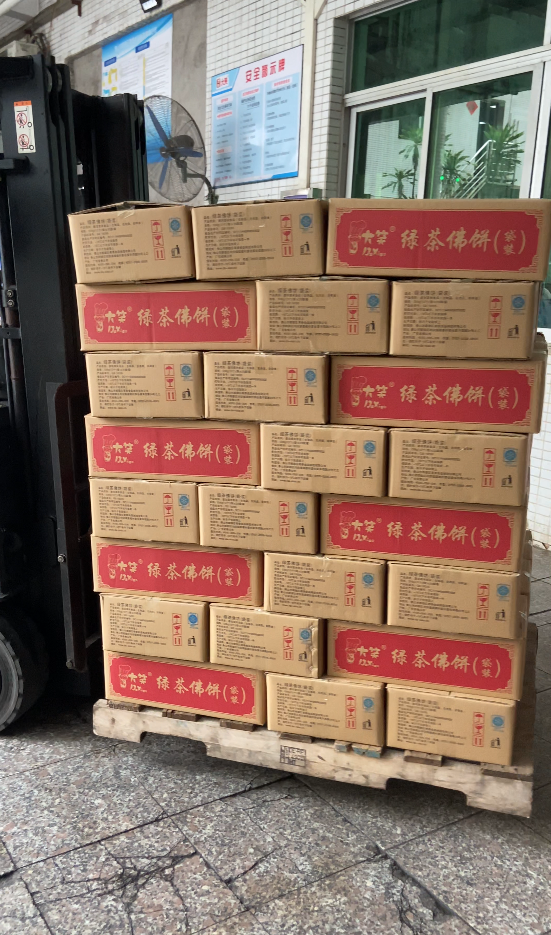
Pastries also carry a menu-positioning benefit that is easy to underestimate. Most competing breakfast offers are weak in the pastry category, so a small, well-chosen pastry selection creates visible differentiation without requiring a new production line.
Tier 3 — Savoury and fried: rounding out the tray
A breakfast menu built only on sweet items saturates quickly. Shrimp dumplings and Shrimp Siu Mai add the classic savoury reference point, chicken sticky rice adds a filling rice-based option, and Hong Kong style spring rolls bring the Fried Dim Sum series into play. This tier has an equipment implication: fried items need a fryer and a ventilation setup, so it should be added only where the kitchen already supports it.
Across the four categories commonly referenced in sourcing — Traditional Dim Sum, Frozen Dim Sum, Fried Dim Sum and Dim Sum Breakfast — the practical menu logic stays the same: buns for traffic, pastries for margin, savoury and fried items for completeness. The same catalogue also covers pastries and ready meals, which lets an operator extend into lunch or all-day service without a second supplier conversation.

What the supply side has to prove
Product range is not a qualification on its own. For a long-term breakfast programme, three things matter: certification, export experience and service depth.
- Certification: Yuexiang Food holds ISO9001, HACCP and FDA certification, and is recognised as a National High-Tech Enterprise with a dedicated R&D centre.
- Heritage and recognition: the company is a 'Foshan Time-honored Brand' with over 40 years of heritage and has been awarded recognition by the 'Cantonese Pastry Chefs Association'.
- Export and distribution: around 40% of output is exported to Southeast Asian, European and American markets, and the distribution network covers more than 300 cities in China.
Step-by-Step Breakdown: From Menu Decision to First Delivery
Step 1 — Map the daypart before the product
Record breakfast covers, the service window and the equipment already installed. A menu that assumes three steamers and a fryer will not run in a site that has one steamer and no extraction.
Step 2 — Assign a role to each family
Split the menu into anchor and signature tiers before choosing SKUs. The operating rule is straightforward: start with steamed buns for stable basic sales, then add a small batch of steamed pastries to test market response. This keeps the first order low-risk while still creating a visible point of difference.
Step 3 — Match formats to kitchen capability
Steamed items need steamers; fried items need fryers; both need freezer capacity and refrigerated transport. Frozen buns and cakes should be held at ≤ -18°C throughout storage and distribution to prevent drying and cracking.
Step 4 — Plan inventory around shelf life, not around price
Buns and cakes do not age at the same rate. Steamed buns carry a 12-month frozen shelf life and layered cakes 6 months, so pastry stock should be ordered in smaller, faster cycles. A mixed menu that ignores this difference creates write-offs that cancel out the margin the pastries were meant to add.
Step 5 — Confirm labelling and documents before ordering
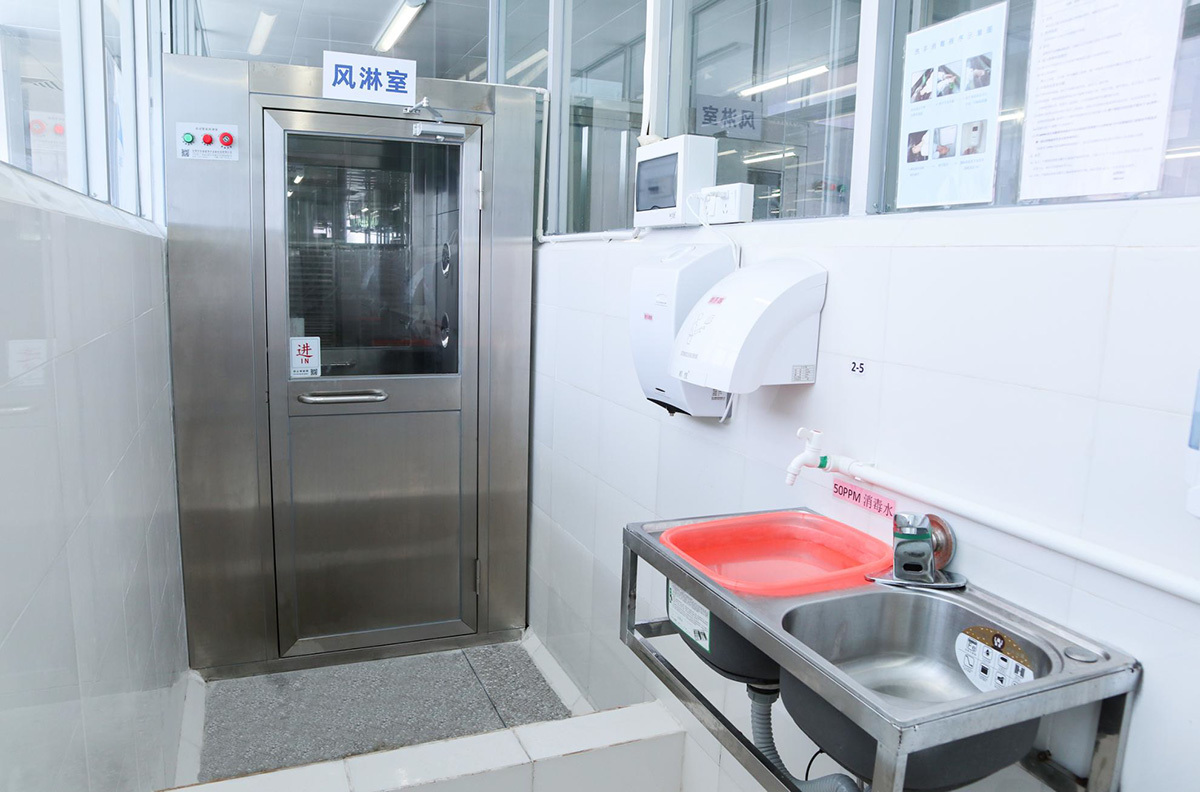
Where a labelling rule applies, the menu must state the production origin of dim sum items. On the shipment side, the documents to request are the delivery note, batch quality inspection documents, production date and shelf life, plus the supplier's certification records.
Step 6 — Lock the commercial terms
Yuexiang Food quotes a minimum order quantity of 50 boxes or more. Delivery terms include EXW, FCA, FAS, FOB, CFR and CIF. Payment runs through corporate account transfer, WeChat, bank transfer or PayPal; OEM customised orders use a deposit plus final payment as set out in the contract; foreign trade orders are settled according to the method agreed by both parties, such as T/T.
Use Cases: Where Each Tier Earns Its Place
Breakfast shops and fast-food outlets
High volume, short window, price-sensitive customers. Buns lead, with one or two pastry items held as a weekend or feature option. Reheating replaces preparation, so staff can serve from opening without a dim sum chef.
Hotels, guesthouses and resorts
Breakfast buffets reward visible variety. A bun tray plus two or three steamed cakes gives the buffet a Cantonese section without adding kitchen labour, and the same items can be repositioned for afternoon tea.
Institutional catering — schools, factories, offices, hospitals, nursing homes, government canteens
Predictable cost and consistent portion size matter more than novelty. Buns deliver stable output; pastries are introduced selectively, for example on rotating menu days.
Retail — supermarkets, community fresh food stores and convenience stores
Shelf life drives the decision. The 12-month frozen life of buns suits slow-turning retail stock, while 6-month pastry life requires tighter rotation planning and smaller case sizes.
Transport hubs — airports, high-speed rail stations and highway service areas
Fast service and handheld formats dominate. Steamed buns and individually portioned cakes work better here than items that need plating or cutlery.
Trade and overseas channels — food supply chain wholesalers, overseas Chinese restaurants and Chinese supermarkets
Distributors buy range breadth, not single SKUs. A supplier that can ship buns, cakes and fried items together removes the need to pool orders from several factories, which reduces logistics and coordination cost.
Comparison Table: Cantonese Steamed Buns vs. Cantonese Pastries for Breakfast
| Decision factor | Cantonese steamed buns | Cantonese pastries (steamed cakes and layered pastries) |
|---|---|---|
| Primary menu role | Staple food; high consumption volume and stable repurchases | Featured snack; differentiation and menu prestige |
| Range examples | Char siu bao, Steamed Custard Buns, Walnut Bun, red bean paste bun, Milk Rolls | Water Chestnut Cake, Coconut Golden Cake, Green Tea Buddha Cake, Crispy Taro Pastry, Golden Taro Roll, Millet cake |
| Typical customer need | Hunger satisfaction, everyday repeat purchase | Light and refreshing texture, tea pairing, visual appeal |
| Frozen shelf life | 12 months | 6 months |
| Storage condition | ≤ -18°C throughout storage and distribution | ≤ -18°C throughout storage and distribution |
| Kitchen impact | Reheat and serve; reduces on-site production labour and energy use | Reheat and serve; same labour profile, tighter rotation required |
| Inventory risk | Lower — longer frozen life allows flexible stocking cycles | Higher — shorter frozen life increases near-expiration risk |
| Best-fit operators | Breakfast shops, group catering, convenience stores, casual teahouses, volume-focused export buyers | Mid-to-high-end teahouses, afternoon tea, banquet tea breaks, operators building signature items |
| Recommended starting approach | Build basic sales first | Add a small batch to test market response |
Commercial note: direct factory supply removes intermediary markups, and large-scale centralised raw-material purchasing keeps raw-material costs 10%–15% lower than smaller factories. One-stop supply across buns and cakes also avoids the logistics and communication cost of pooling orders from multiple suppliers.
FAQ
Do frozen dim sum items need different labelling on a breakfast menu?
Where a labelling rule applies, yes — the production origin should be stated. Guangzhou's rules effective 1 May 2026 require restaurants to indicate whether dim sum is handmade on site or produced by a central kitchen or pre-made supply. On the shipment side, frozen dim sum commonly moves under HS Code 1902200000 and 1902309000, and supplier documentation should cover ISO9001, HACCP and FDA certification where applicable.
Can one supplier cover both steamed buns and pastries for a breakfast menu?
Yes, where the manufacturer runs a broad catalogue. Yuexiang Food produces more than 300 items across five major series — including Traditional Dim Sum, Frozen Dim Sum, Fried Dim Sum and Dim Sum Breakfast categories — from a 20,000 m² facility with 200+ employees, a 30+ engineer R&D team and an annual output of 6,000,000 units. A single-source range reduces the need to pool orders from several suppliers, which simplifies logistics and coordination.
What drives the cost difference between buns and pastries in a frozen range?
Two factors: product family and supply chain. Steamed buns carry a 12-month frozen shelf life, while layered cakes carry a 6-month shelf life, so pastry stock turns faster and carries more near-expiration risk. On the supply side, direct factory sourcing removes intermediary markups, and bulk raw-material purchasing keeps raw-material costs 10%–15% lower than smaller factories. The minimum order quantity is 50 boxes or more.
How should a first shipment be sampled and accepted?
Acceptance has four parts: a visual inspection of product model and quantity plus packaging condition (damage, leaks, severe frost or softening after thawing); temperature measurement on arrival to confirm the cold chain is functioning; sensory sampling by opening random boxes to check for sticking, spoilage or unusual odour; and document verification covering the delivery note, batch quality inspection documents, production date and shelf life.
How do distributors secure long-term frozen dim sum supply?
Look for range breadth, export documentation and defined delivery terms. Yuexiang Food exports around 40% of output to Southeast Asian, European and American markets, holds ISO9001, HACCP and FDA certification, and is recognised as a National High-Tech Enterprise with a dedicated R&D centre. Delivery terms include EXW, FCA, FAS, FOB, CFR and CIF. Distributors can request the catalogue and a sample plan by emailing Kyle@dimsum-daxiao.com or calling +86 13726399586.
Next step for breakfast menu buyers
Send your daypart volumes and the tier split you want to test — anchor buns, signature cakes, or the full combination — to Kyle@dimsum-daxiao.com or +86 13726399586. Yuexiang Food will come back with a product proposal, sample plan and quotation under EXW, FCA, FAS, FOB, CFR or CIF terms.
The full product catalogue is available for download: Yuexiang Food product catalogue (PDF). Company website: www.dimsum-daxiao.com.
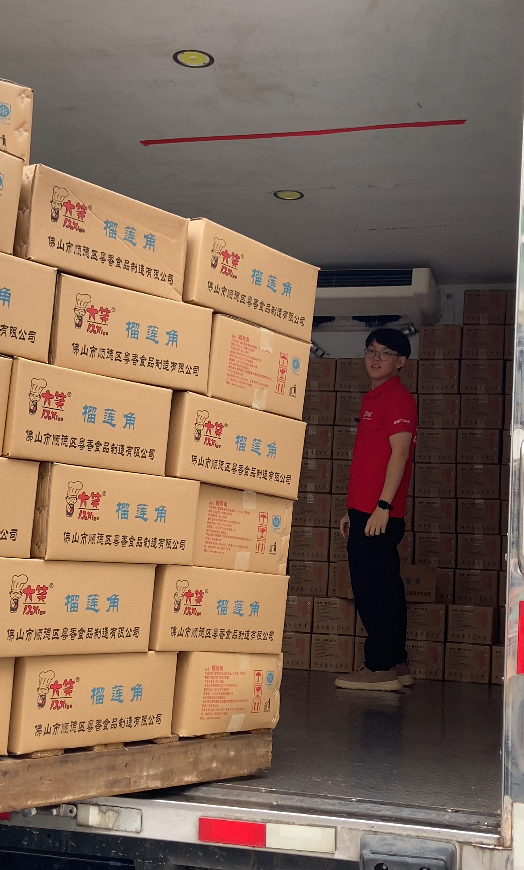
Conclusion
The buns-versus-pastries question is not a question about which product is better. It is a question about which job the breakfast menu needs done. Steamed buns buy traffic, repeat purchase and inventory tolerance through a 12-month frozen shelf life. Pastries buy differentiation, menu prestige and a defensible position against competitors with weak pastry ranges, at the cost of a 6-month shelf life and tighter rotation.
The execution rule that survives contact with a real kitchen is the combination: buns as the anchor, a small batch of steamed cakes and pastries as the signature, and a cold chain held at ≤ -18°C from the factory to the service counter. Yuexiang Food's 300+ items across five series, ISO9001, HACCP and FDA certification, and 40% export share make that combination available from a single source — which is what a distributor or multi-site operator needs when the decision moves from evaluation into execution.
Have Questions or Need More Details?
Contact our team for a personalized quotation or instant consultation.
Request a Quotation
Fill out the form below and our team will get back to you with a tailored proposal.
WhatsApp Direct Chat
Prefer to chat in real-time? Message us on WhatsApp for instant assistance & quick answers.
- Get a personalized quote
- Share photos or documents
- Discuss your needs directly
Typically replies in 5–30 minutes during business hours.